Ecology Environmental
The Sixth Mass Extinction: Are We Losing Species Faster Than Ever Before
The Sixth Mass Extinction: Are We Losing Species Faster Than Ever Before?

Throughout Earth’s history, five mass extinction events have dramatically reshaped the planet's biological landscape. Each event has led to significant losses in biodiversity, altering ecosystems and paving the way for new species to emerge.

The Jet Stream Shift: How a Wobbly Polar Vortex Disrupts Global Weather

In our increasingly interconnected world, understanding the intricacies of our planet's climate system has never been more critical. Among the many components that influence global weather patterns, the jet stream plays a vital role. This fast-flowing river of air high in the atmosphere significantly affects weather systems across the globe. Recently, scientists have observed shifts in the jet stream, often linked to changes in the polar vortex.

Marine Protected Areas: Do They Really Help Save Ocean Biodiversity
Marine Protected Areas: Do They Really Help Save Ocean Biodiversity?

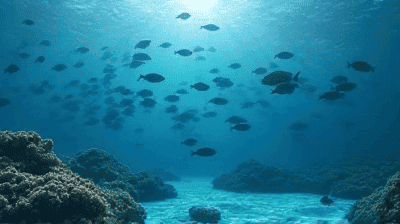
The health of Earth's oceans is critical not only for marine life but also for the well-being of humanity. Oceans produce a significant portion of the world's oxygen, regulate climate, and provide essential resources for food, medicine, and recreation. However, overfishing, pollution, habitat destruction, and climate change have led to alarming declines in marine biodiversity.

Coral Reef Collapse: Can We Save the 'Rainforests of the Sea'
Coral Reef Collapse: Can We Save the 'Rainforests of the Sea'?

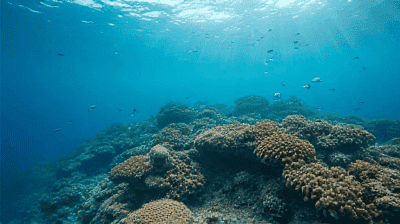
Coral reefs are often referred to as the "rainforests of the sea" due to their incredible biodiversity and vital ecological functions. These vibrant underwater ecosystems support a vast array of marine life, including fish, mollusks, sea turtles, and countless other organisms. However, coral reefs are facing unprecedented threats that may lead to their collapse.

De-extinction Debate: Should We Resurrect the Woolly Mammoth
De-extinction Debate: Should We Resurrect the Woolly Mammoth?

The concept of de-extinction has captured the imagination of scientists, environmentalists, and the general public alike. The idea that we could potentially bring back species that once roamed the Earth, such as the woolly mammoth, raises profound questions about ethics, ecology, and the future of conservation.

Permafrost Thaw: How Melting Arctic Ice Could Release Ancient Pathogens

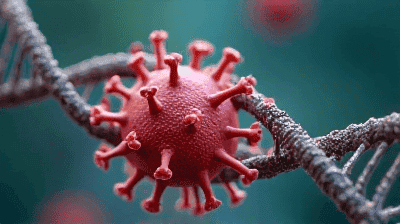
The Arctic region is undergoing rapid changes due to climate change, with temperatures rising at more than twice the global average. One of the most significant consequences of these rising temperatures is the thawing of permafrost—a layer of permanently frozen soil that has remained unchanged for thousands of years. As permafrost thaws, it not only releases greenhouse gases such as carbon dioxide and methane but also poses a less direct yet equally alarming risk: the potential release of ancient pathogens.

Insect Apocalypse: Why the Disappearance of Bugs Threatens All Life

Insects are often overlooked and underappreciated, yet they play a vital role in maintaining the health of our ecosystems. However, recent studies have raised alarms about an impending "insect apocalypse," indicating that insect populations worldwide are declining at an alarming rate.

Rewilding Explained: Can Bringing Back Apex Predators Restore Ecosystems
Rewilding Explained: Can Bringing Back Apex Predators Restore Ecosystems?

The concept of rewilding has gained significant attention in recent years as a potential solution for restoring degraded ecosystems and enhancing biodiversity. At the heart of this movement lies the idea of reintroducing apex predators—top-tier carnivores that play a crucial role in maintaining the balance of ecosystems.

Carbon Capture Technology: Can We Really Suck CO₂ Out of the Atmosphere
Carbon Capture Technology: Can We Really Suck CO₂ Out of the Atmosphere?

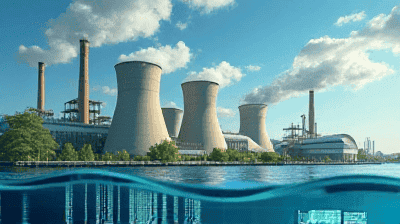
As the impact of climate change becomes increasingly apparent, the quest for effective solutions to reduce carbon dioxide levels in the atmosphere has intensified. Among the multitude of proposed strategies, carbon capture technology has emerged as a beacon of hope.

The Success of Ozone Layer Recovery: Can We Replicate It for Climate Change
The Success of Ozone Layer Recovery: Can We Replicate It for Climate Change?

The Earth's atmosphere is a complex and dynamic system, crucial for life on our planet. Among its many components, the ozone layer plays an essential role in protecting living organisms from harmful ultraviolet (UV) radiation.

  • 1
  • 2