Ecology Environmental
The Sixth Mass Extinction: Are We Losing Species Faster Than Ever Before
The Sixth Mass Extinction: Are We Losing Species Faster Than Ever Before?

Throughout Earth’s history, five mass extinction events have dramatically reshaped the planet's biological landscape. Each event has led to significant losses in biodiversity, altering ecosystems and paving the way for new species to emerge.
Circular Economy: Can We Eliminate Waste by Redesigning Everything
Circular Economy: Can We Eliminate Waste by Redesigning Everything?

In recent years, the concept of a circular economy has gained traction as a transformative approach to rethinking our economic systems. Unlike the traditional linear economy, which follows a "take, make, dispose" model, a circular economy seeks to redefine the way we design, produce, and consume goods.

Ocean Acidification: The Silent Crisis Threatening Marine Life

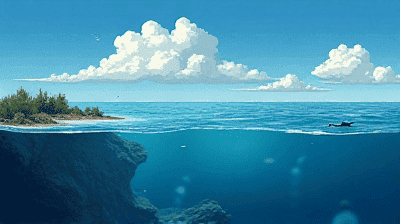
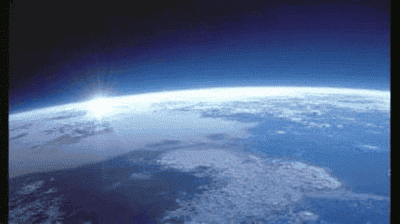
The world’s oceans cover more than 70 percent of the Earth’s surface and are vital to life as we know it. Oceans regulate climate, provide food, and support an incredible diversity of species. However, human activities are putting unprecedented pressure on these critical ecosystems. One of the most insidious threats is ocean acidification, a phenomenon that is often overlooked but poses significant risks to marine life and human communities that depend on the ocean.

The Plight of Pollinators: Why Birds, Bats, and Butterflies Are Vanishing

Pollinators are essential to the health of our ecosystems and the global food supply. They enable the reproduction of approximately 75 percent of flowering plants, including many crops that humans rely on for food. Among the most effective and well-known pollinators are birds, bats, and butterflies.

Permafrost Thaw: How Melting Arctic Ice Could Release Ancient Pathogens

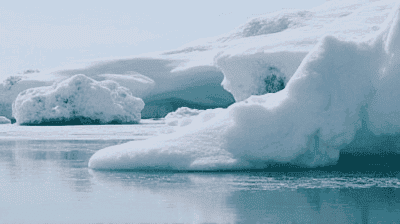
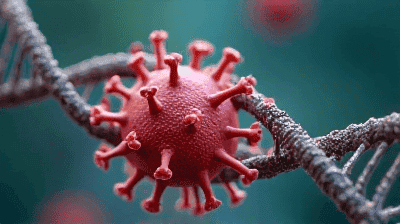
The Arctic region is undergoing rapid changes due to climate change, with temperatures rising at more than twice the global average. One of the most significant consequences of these rising temperatures is the thawing of permafrost—a layer of permanently frozen soil that has remained unchanged for thousands of years. As permafrost thaws, it not only releases greenhouse gases such as carbon dioxide and methane but also poses a less direct yet equally alarming risk: the potential release of ancient pathogens.

Insect Apocalypse: Why the Disappearance of Bugs Threatens All Life

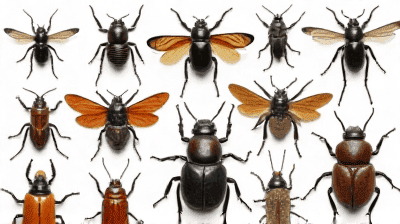
Insects are often overlooked and underappreciated, yet they play a vital role in maintaining the health of our ecosystems. However, recent studies have raised alarms about an impending "insect apocalypse," indicating that insect populations worldwide are declining at an alarming rate.

Rewilding Explained: Can Bringing Back Apex Predators Restore Ecosystems
Rewilding Explained: Can Bringing Back Apex Predators Restore Ecosystems?

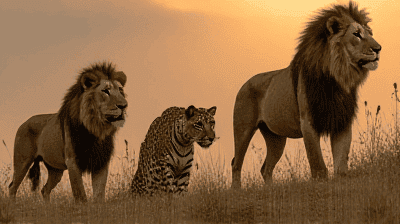
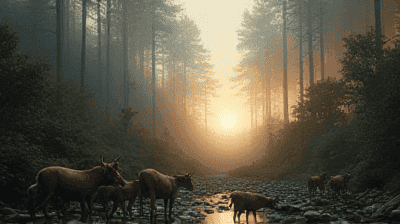
The concept of rewilding has gained significant attention in recent years as a potential solution for restoring degraded ecosystems and enhancing biodiversity. At the heart of this movement lies the idea of reintroducing apex predators—top-tier carnivores that play a crucial role in maintaining the balance of ecosystems.

Fast Fashion's Environmental Cost: Why Your Clothes Are Polluting the Planet

In today's consumer-driven society, the phrase "fast fashion" has become synonymous with rapid clothing production and consumption. This phenomenon has transformed the fashion industry, making trendy styles more accessible than ever.

  • 1
  • 2