Health Science
The Science of Hydration: How Much Water Do You Really Need
The Science of Hydration: How Much Water Do You Really Need?

Water is fundamental to life, making up about 60 percent of the human body. It plays critical roles in various physiological functions, including temperature regulation, nutrient transport, waste elimination, and overall cellular function. Despite its importance, many people remain uncertain about how much water they actually need for optimal health.

ADHD in Adults: How Symptoms Differ from Childhood and Why Many Go Undiagnosed

Attention-Deficit/Hyperactivity Disorder (ADHD) is often perceived as a childhood condition that individuals outgrow as they mature. However, research indicates that ADHD can persist into adulthood, with symptoms often manifesting in unique ways compared to childhood. Unfortunately, many adults with ADHD remain undiagnosed, unaware of the condition's impact on their lives.

The Hidden Mechanisms of Autoimmune Diseases: Why Does the Body Attack Itself
The Hidden Mechanisms of Autoimmune Diseases: Why Does the Body Attack Itself?

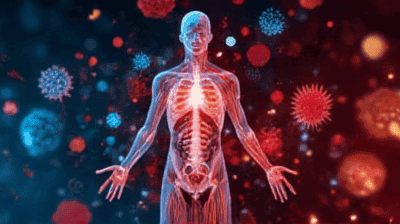
The human immune system is a remarkable defense network that protects us against pathogens and diseases. However, in some individuals, this intricate system turns against its own tissues, leading to autoimmune diseases. Conditions such as rheumatoid arthritis, lupus, and multiple sclerosis occur when the immune system mistakenly identifies healthy cells as foreign invaders, resulting in inflammation, tissue damage, and a range of debilitating symptoms. Understanding the underlying mechanisms of autoimmune d

Anxiety Disorders: Why Some Brains Are Wired for Constant Worry

Anxiety is a universal human experience. It can manifest in various forms, from fleeting feelings of nervousness before a big presentation to debilitating anxiety disorders that interfere with daily life. Anxiety disorders are among the most common mental health conditions, affecting millions of individuals worldwide. Understanding why some brains are wired for constant worry can shed light on the biological, psychological, and environmental factors that contribute to these disorders.

The Science of Allergies: Why Do Some Bodies Overreact to Harmless Substances
The Science of Allergies: Why Do Some Bodies Overreact to Harmless Substances?

Allergies are increasingly prevalent in today's world, affecting millions of people across the globe. From seasonal allergies caused by pollen to severe reactions triggered by foods, the immune system's overreaction to harmless substances can result in discomfort and sometimes life-threatening situations. Understanding the science of allergies is crucial for managing these conditions, improving quality of life for sufferers, and potentially finding more effective treatments.

The Science of Happiness: Which Habits Actually Boost Serotonin and Dopamine
The Science of Happiness: Which Habits Actually Boost Serotonin and Dopamine?

Happiness is a universal aspiration, yet it often feels elusive. Despite the myriad of factors influencing our moods, science has provided valuable insights into the biological underpinnings of happiness, particularly the roles of serotonin and dopamine. These neurotransmitters are key players in regulating our emotions, motivations, and overall sense of well-being.

Chronic Pain Syndromes: Why Some People Hurt When There's No Physical Damage

Chronic pain is a complex and multifaceted condition that affects millions of people worldwide. Unlike acute pain, which serves as a warning signal of injury and typically resolves once the underlying issue is treated, chronic pain persists long after the initial cause has been addressed—or even in the absence of any identifiable physical damage. This phenomenon can be puzzling for patients and healthcare providers alike, leading to significant physical, emotional, and social consequences. Understanding chr

The Neuroscience of Depression: How Brain Chemistry and Structure Play a Role

Depression is a complex and multifaceted mental health disorder that affects millions of people worldwide. It goes beyond transient feelings of sadness or low mood, impacting daily functioning, relationships, and overall quality of life. Understanding the neuroscience of depression can provide valuable insights into its causes, symptoms, and potential treatments.

Processed Foods and Health: What Makes Ultra-Processed Foods So Harmful
Processed Foods and Health: What Makes Ultra-Processed Foods So Harmful?

In today's fast-paced world, convenience often trumps nutritional quality when it comes to food choices. As a result, the consumption of processed and ultra-processed foods has soared, prompting health professionals and researchers to examine their impact on public health. While not all processed foods are harmful, ultra-processed foods—characterized by their industrial formulations and high levels of additives—raise significant health concerns.

Ketosis Explained: How a High-Fat Diet Affects Your Brain and Body

In recent years, the ketogenic diet, characterized by high fat and low carbohydrate intake, has gained widespread popularity as a potential solution for weight loss, improved energy levels, and even certain health conditions. At the core of this diet is a physiological state known as ketosis, a metabolic process that shifts the body's primary source of energy from carbohydrates to fats.

  • 1
  • 2
  • 3