Social Science
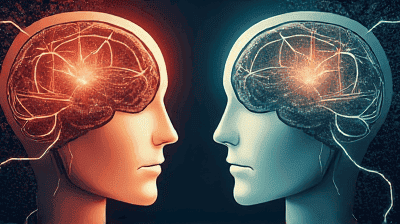
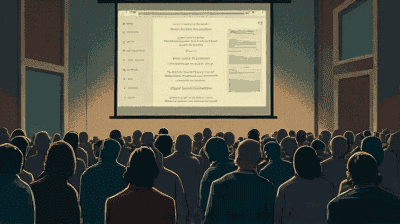
The Filter Bubble Effect: How Algorithms Shape Our Worldview

In an age dominated by digital technology and social media, the way we consume information has transformed dramatically. Algorithms—sets of rules or calculations designed to solve problems or make decisions—play an increasingly pivotal role in shaping our online experiences.

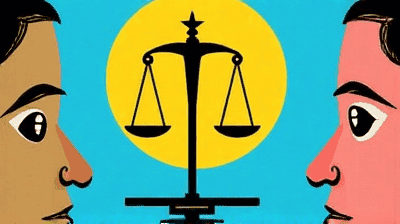
Nature vs. Nurture Revisited: How Epigenetics Is Changing the Debate

The age-old debate of nature versus nurture is one of the most intriguing discussions in the fields of psychology, sociology, and biology. For centuries, researchers and theorists have sought to understand the extent to which genetics (nature) or environment (nurture) shape our behaviors, personalities, and even our health.

The Fundamental Attribution Error: Why We Judge Others Harshly But Ourselves Leniently

Have you ever looked at someone else's mistake and immediately thought, "They must be incompetent"? Meanwhile, when you make the same mistake, do you find yourself saying, "I just had a bad day" or "It was an unavoidable situation"?

The Paradox of Choice: Why More Options Lead to Less Satisfaction

In a world filled with endless possibilities, it may seem that having more choices is unequivocally beneficial. We are constantly bombarded with options—whether it is selecting a meal from a sprawling menu, choosing a smartphone, or deciding on a career path.

The Baader-Meinhof Phenomenon: Why You Suddenly Notice Things Everywhere

Have you ever learned about a new concept, word, or trend and then found it appearing everywhere you look? Perhaps you just bought a new car and suddenly notice that same model on every street corner, or you read a book about a specific subject and begin to see references to it more frequently in your daily life.

Cultural Capital: The Invisible Currency That Determines Life Chances

In a world increasingly defined by inequality and social stratification, the concept of cultural capital has gained prominence as a crucial factor influencing life outcomes. Coined by sociologist Pierre Bourdieu in the late 20th century, cultural capital refers to the non-financial social assets that promote social mobility.

Cognitive Dissonance in Action: How Your Brain Justifies Bad Decisions

Have you ever made a choice that you later regretted, only to find yourself rationalizing it in some way? You are not alone. This phenomenon is a prime example of cognitive dissonance, a psychological concept that explains how we cope with conflicting beliefs and behaviors.

The Sociology of Conspiracy Theories: Why They Flourish in Certain Groups

In an age characterized by rapid information exchange and a growing distrust of institutions, conspiracy theories have gained unprecedented traction across various social groups. These theories, often dismissed as mere fiction or delusions, can have significant social implications, influencing public opinion, shaping political landscapes, and even inciting violence.

Cognitive Load Theory: Why Multitasking Is a Myth That Makes You Dumber

In today's fast-paced world, the ability to multitask is often championed as a valuable skill. Many of us pride ourselves on being able to juggle multiple responsibilities at once—answering emails while listening to a podcast, attending a virtual meeting while cooking dinner, or texting a friend while studying for an exam.

The Halo Effect: Why Attractive People Get Unfair Advantages in Life

In a world that often prioritizes appearances, the implications of physical attractiveness extend far beyond aesthetic appreciation. The halo effect, a cognitive bias that causes an observer's overall impression of a person to influence their feelings and thoughts about that person’s character, explains why attractive individuals often enjoy significant advantages in various aspects of life.

  • 1
  • 2